Your Windshield Is the New Whiteboard
Oct 26, 2026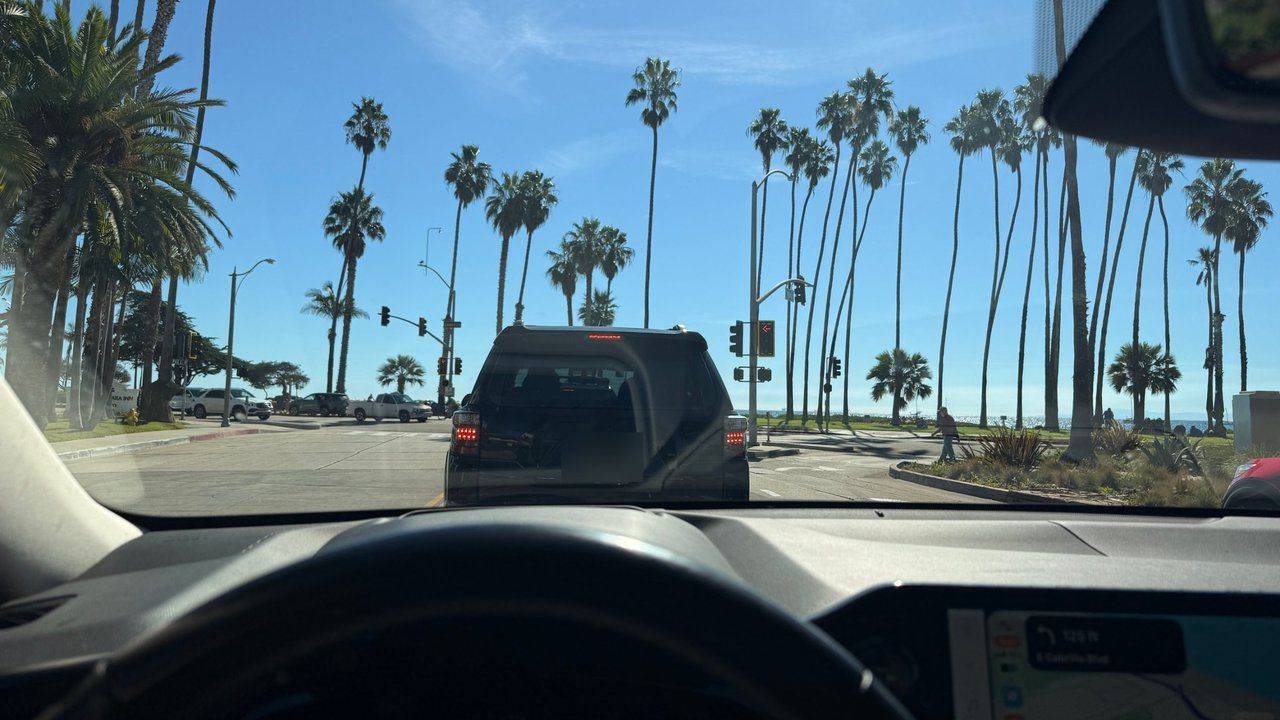
I think in whiteboards. Always have.
TEDx Santa Barbara runs on them, and Wavefront ran on them before that. The wall in my office has one. The back of a napkin counts. What I need is a surface, something outside my head where the chaos can land and I can see it.
Sunday morning I had brunch with the past president and president-elect of the Santa Barbara chapter of NAWBO. We’re building a workshop together for January, and the conversation was good, the kind where you leave with more than you came in with. Ideas were moving. Connections were forming. You know how that feels.
You also know what happens next. The meeting ends. You walk to your car. You get on the 101. And all of that momentum, the thread you almost pulled, the question you should have asked, the thing she said that connected to something else entirely, starts dissolving. By the time you’re home, half of it is gone. That’s not a small loss. Most ideas die exactly there, on the drive, in the gap between the conversation and the next surface.
This particular Sunday, something was different.
I got in the car and noticed ChatGPT sitting on my Apple CarPlay screen. I hadn’t gone looking for it. There was no announcement I’d read. It was just there. So I opened it and started talking. Not issuing commands, not asking it to write something, not searching for a fact. I told it about the meeting. And it started asking me questions.
That was the moment. My windshield had become my whiteboard.
We’ve been talking to our cars for years. Call someone, navigate somewhere, play a song. Those are commands, and commands are useful, but they’re not thinking. What happened on the 101 Sunday was different because I didn’t have to know where I was going with it. I said something like: I just came out of a meeting and I haven’t figured out what I think yet. Ask me one question at a time. And it did. Twenty minutes later I had clarity I didn’t have when I left the restaurant.
The setup cost used to kill this. Voice-to-text has existed for years. AI assistants have existed. But the friction between finishing a meeting and having a productive conversation with an AI was high enough that most of us didn’t bother. You had to open an app, type a prompt, orient the system, get it up to speed. By the time you’d done all that, you were already home. CarPlay closed that gap. If your car has it, one tap and you’re talking. The thinking starts two minutes after you leave the parking lot, which is exactly when it needs to start.
Before I got off the freeway, I asked ChatGPT to turn our conversation into an Idea Brief. Central idea, key insights, assumptions that need testing, open questions, possible next steps. That brief went into IdeasOut when I got home. By that afternoon, I had a strategy document I could send.
The meeting that might have faded into a few scattered notes became a deliverable. That’s the whole first move.
ChatGPT on a drive is an open-ended thought partner. It’s good at helping you discover what you’re thinking when you don’t know yet. IdeasOut is what happens after that. It’s where the Idea Brief enters a structured process, gets pressure-tested against your Voice DNA and Brand DNA, gets examined from multiple strategic angles, and becomes the things you need: a newsletter, a presentation, talking points, a LinkedIn article like this one. One isn’t replacing the other. They’re different moments in the life of an idea, and confusing them is how good thinking stays trapped.
If you’ve got something circling right now, something from a meeting last week or a conversation that didn’t quite resolve, try this on your next drive. Tell it what happened. Ask it to question you. See what surfaces when you’re not staring at a screen trying to force it.